

Scrolling through another feed at nine at night is easy. Finding something that pulls your attention somewhere better takes a bit more thought, which is exactly why so many of us end up back on the couch with a phone in hand. Hobbies that boost dopamine aren’t about chasing a chemical high; they work because they give your brain small, repeatable moments of focus, progress and enjoyment that scrolling can’t quite match. Dopamine is involved in motivation and learning as much as in mood, so the hobbies that feel most rewarding tend to be ones that let you notice yourself getting a little better at something.

We’ve put together a practical mix of ideas below, from quick wins you can try this afternoon to slower, more absorbing pursuits worth sticking with. Pick one that matches your energy today and give it a proper go; you don’t need special kit or a weekend free to start.
Which Hobbies Can Give You a Rewarding Break Today?
A brisk walk, a dance to a favourite song, or twenty minutes in the kitchen can lift your mood within the hour, and none of them require planning ahead. These are the hobbies worth reaching for when you want a change of state fast rather than a long-term project. Dancing and music, physical activity like running or hiking, and small mental challenges such as puzzles and crosswords all tap into the brain’s reward and motivation systems by giving you a clear task and a satisfying finish.
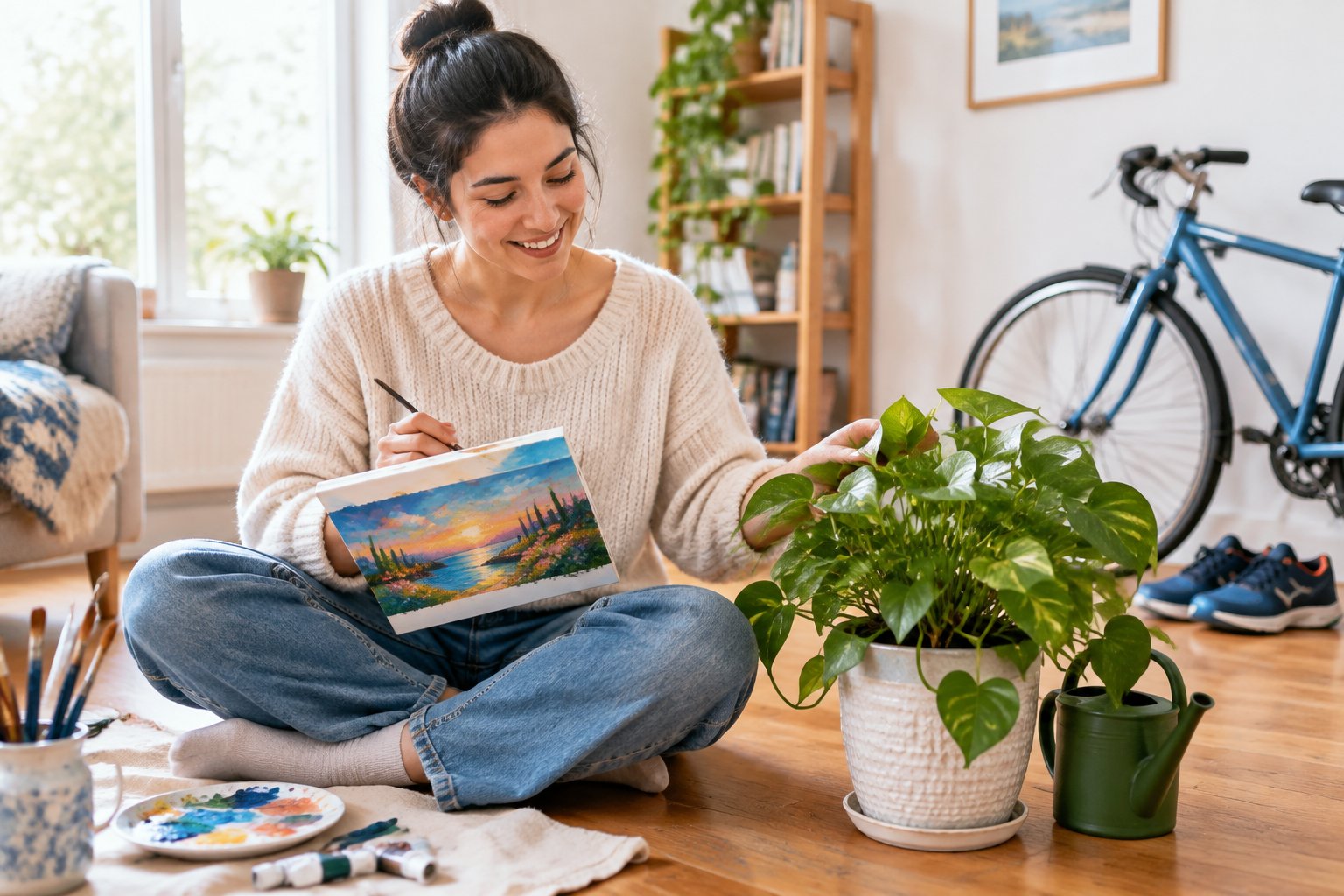
Dance or Move to Music
Put on three songs and move however feels natural. Dancing combines rhythm, physical effort and the pleasure of music, and the combination tends to shift mood faster than sitting still ever will. You don’t need choreography or a class; moving your body in your kitchen counts.
Go for a Walk
A twenty-minute walk outdoors gets you moving and gets you into daylight, and sunlight exposure plays a role in regulating mood and sleep. Walking also gives your mind room to wander, which is often when good ideas and a sense of calm show up together.
Run or Short Hike
Running or a short hike raises your heart rate and gives you a concrete marker of progress, whether that’s distance, time or simply the hill you managed to climb. The finish line itself, even a modest one, tends to feel rewarding because you set out to do something and did it.
Cook or Bake Something New
Trying a recipe you haven’t made before combines a bit of challenge with a tangible result you can taste. The process keeps your hands and attention occupied, and the payoff arrives quickly once the dish is on the plate.
Solve a Puzzle or Crossword
A crossword, sudoku or jigsaw gives your brain a contained problem with a clear end point. Working through clues or pieces one at a time builds a steady sense of progress, and finishing the last one tends to feel disproportionately satisfying for something so small.
Which Hands-On Hobbies Make Progress Satisfying?
Creative hobbies such as painting, knitting, pottery and gardening reward you with visible progress you can see, hold or display, which is part of why they hold people’s interest longer than passive entertainment. Watercolour, painting by numbers, adult colouring books and creative writing all give you a finished piece to look back on. Working with yarn, clay, wood or Lego bricks adds a tactile, sensory element that many people find calming in itself. Caring for plants, taking photographs, and learning a new skill such as a language round out this group, each offering a different route into what psychologists call a flow state, where you’re absorbed enough in the task that time seems to slip by.
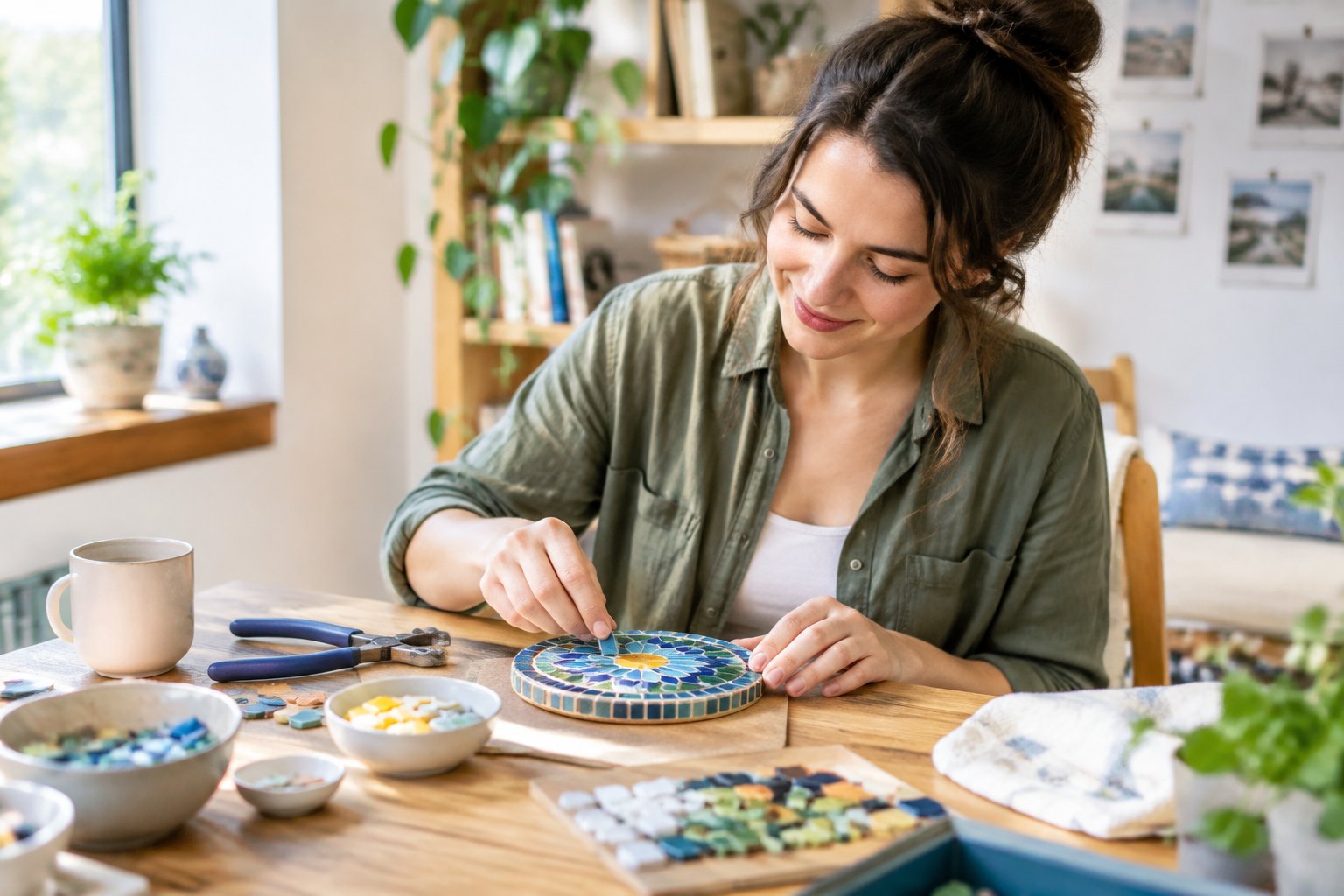
Try Painting, Colouring or Creative Writing
Watercolour painting, painting by numbers kits and adult colouring books all lower the barrier to entry; you don’t need formal training to produce something you like looking at. Creative writing, even a few diary paragraphs or a short story, gives shape to thoughts that might otherwise just circle. Both routes work because they ask for a small decision at a time (which colour, which word) rather than demanding a finished masterpiece straight away.
Make Something with Yarn, Clay, Wood or Bricks
Knitting and crocheting give your hands something repetitive and soothing to do while producing a scarf, hat or blanket you can actually use. Pottery and woodworking involve more physical engagement and the particular pleasure of shaping raw material into an object. Lego building sits in the same family; following a set or inventing your own design both reward patience with a clear result.
Grow and Care for Plants
Gardening, whether outdoors or with a few pots on a windowsill, gives you a living project that changes slowly and needs regular attention. Watching a cutting root or a tomato ripen offers a slower kind of payoff than most hobbies on this list, which makes the end result feel earned. Indoor gardening suits anyone short on outdoor space; a couple of houseplants are enough to get started.
Take Photos or Learn a New Skill
Photography turns an ordinary walk into a small assignment, training your eye to notice light, colour and composition you might otherwise miss. Learning a language, an instrument or any new skill works on a similar principle, with each small milestone (a new phrase, a chord you can finally switch to cleanly) giving you proof that the effort is paying off.
What If You Want Something Calmer or More Social?
Yoga, meditation, reading and chess suit days when you want to slow down rather than get your heart rate up, while a book club or volunteering adds a social dimension that solo hobbies can’t offer. Mindfulness, breathwork and journalling (sometimes paired with a gratitude practice) help settle an overactive mind and support mental health alongside, not instead of, any professional care you might need. Video games, often dismissed as pure distraction, can also provide real focus and a sense of mastery when played with intention rather than as background noise.
Unwind with Yoga, Meditation or Journalling
Yoga combines gentle movement with breath control, which makes it a good option on days when you want to move but not push hard. Meditation and breathwork ask for stillness instead, training attention in a way that many people find difficult at first and rewarding once it clicks. Journalling, particularly a short gratitude list before bed, gives you a few minutes to notice what went well rather than replaying what didn’t.
Read, Play Chess or Enjoy a Video Game
Reading offers an easy way to disappear into something else for half an hour, with the added benefit of a story or argument unfolding at your own pace. Chess gives your mind a genuine puzzle with an opponent, which keeps engagement high even on a slow day. Video games get unfairly lumped in with screen time to avoid, but a game that asks you to plan, build or solve something can offer the same satisfying progress as any hobby on this list.
Join a Book Club or Volunteer
A book club turns a solitary hobby into a reason to see people regularly, with built-in conversation already waiting for you. Volunteering adds a different kind of reward: the sense that your time went towards something beyond yourself, which tends to sit with you longer than a quick task ticked off a list.
How Can You Choose a Hobby That Works for You?
Choose a hobby that matches how much energy you have today, fits your budget, and gives you a small win early on, since that combination is what keeps most people coming back to it. Dopamine release is tied to anticipation and learning as much as to the activity itself, so a hobby that teaches you something new or lets you track small improvements tends to hold interest longer than one that stays the same every time.
Why Do Enjoyment and Small Wins Feel Rewarding?
Dopamine isn’t a simple “happiness chemical”; it’s more closely tied to motivation, anticipation and learning, which is why working towards something (finishing a row of knitting, getting a chord right, finishing a puzzle) tends to feel good in a way that passive entertainment doesn’t match. A low mood doesn’t mean your dopamine levels are deficient, and a new hobby isn’t a substitute for proper mental health support if you’re struggling. Hobbies work best as an addition to your routine, not a fix for a problem they weren’t designed to solve.
Match the Activity to Your Energy, Interests and Budget
A high-energy day suits a run, a dance session or a hike; a lower-energy day suits reading, journalling or a quiet colouring book. Budget matters too: a notebook and pen cost almost nothing, while pottery classes or a guitar represent a bigger outlay. Start with whatever is cheapest and easiest to try, and only invest more once you know the hobby has staying power for you.
Make Time for Hobbies Without Turning Them into Another Task
Block out a short, specific window, fifteen minutes before dinner or half an hour on a Saturday morning, rather than waiting for free time to magically appear. Treating a hobby as something to optimise or track for productivity tends to drain the enjoyment out of it fast. Spending that time away from a screen and, where possible, outdoors in natural light adds a second benefit alongside whatever the hobby itself gives you.
Pick What Feels Good to Keep Doing
The hobbies covered here share one thing in common: they give you a task with a visible result, whether that’s a finished page, a stretch of road covered, or a plant that’s grown an inch since last week. None of them require talent you don’t already have, and all of them are worth adjusting or swapping out if the first one you try doesn’t stick. Starting small, whether that’s a ten-minute walk or a single page of a sketchbook, is enough to find out if a hobby earns a place in your week.
Frequently Asked Questions
What are six hobbies that may support dopamine and mood?
Dancing, running or hiking, cooking, gardening, painting and journalling are six accessible options that pair physical or creative effort with a clear sense of progress. Each one gives you something to work towards and a visible or felt result at the end. None needs special equipment to start.
Which hobby can give you a quick mood lift?
A short burst of movement, such as dancing to a few songs or a brisk walk outdoors, tends to shift mood fastest because it combines physical activity with an immediate change of scene. Daylight exposure during an outdoor walk adds a further benefit for mood and sleep. Both options take under half an hour.
What hobbies are good for people with ADHD?
Hands-on, high-feedback hobbies such as pottery, woodworking, Lego building and cooking tend to suit people with ADHD well, since they offer constant small decisions and quick visible results. Physical hobbies like dancing or running also help by channelling restless energy into a task with a clear goal. Trial and error matters here; what holds interest varies a great deal from person to person.
Are relaxing ‘grandma hobbies’ good for mental health?
Knitting, crocheting, gardening and jigsaw puzzles, often nicknamed ‘grandma hobbies’, support mental health by giving your hands and mind something repetitive and calming to focus on. The slower pace suits anyone looking to unwind rather than get a quick hit of excitement. They also tend to produce something tangible, like a finished blanket or a tended plant.
Do hobbies actually increase dopamine levels?
Hobbies are linked to dopamine activity in the brain’s reward and motivation pathways, particularly through anticipation, learning and finishing a task, though this isn’t the same as a measurable, lasting rise in dopamine levels. The enjoyment and sense of progress a hobby gives you is well documented; precise claims about dopamine quantity are harder to verify outside a lab setting. Treat hobbies as a genuine mood and motivation boost rather than a dopamine prescription.
